Construction and demolition debris is heavy, and that weight is where most jobs get an ugly bill. A cubic yard of broken concrete can run 3,000-4,000 lbs, so a 10-yard bin loaded with slab or dirt reaches its limit…
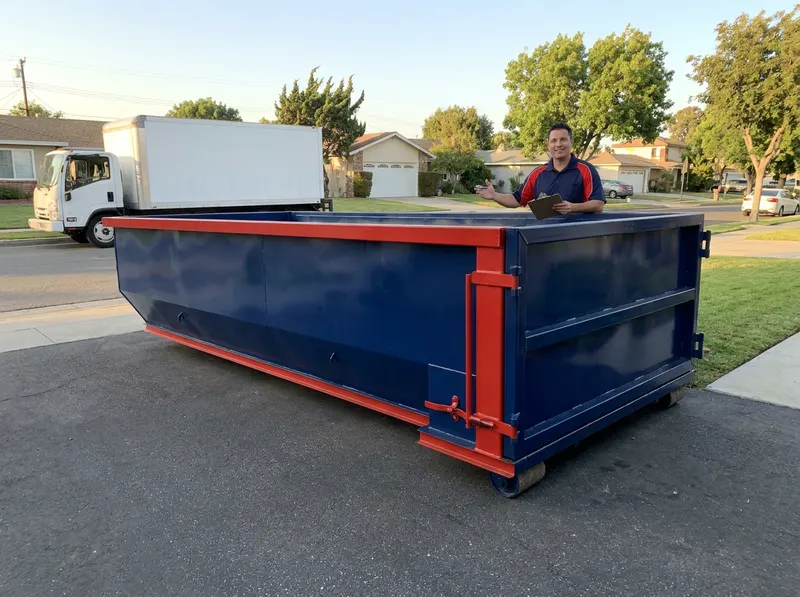
Construction and demolition debris is heavy, and that weight is where most jobs get an ugly bill. A cubic yard of broken concrete can run 3,000-4,000 lbs, so a 10-yard bin loaded with slab or dirt reaches its limit fast. Duncan Dumpster Rental prices every construction and C&D bin flat, the 10-yard is $695, the 15-yard is $750, the 20-yard is $795, the 30-yard is $895, and the 40-yard is $995, with disposal already inside that number. There is no per-ton overage or fuel surcharge stacked on afterward. The U.S. Environmental Protection Agency's construction and demolition materials program reports C&D debris makes up roughly 600 million tons a year in the country, and clean loads of concrete, asphalt, and wood are among the most recoverable, which is why sorting matters on a jobsite.
Step 1: pick the bin by the debris, not the square footage. For dense material, concrete, brick, tile, or dirt from a Peralta Hills grading job, a 10-yard or 15-yard is the right call because the bin hits its weight ceiling long before it fills with volume. For a bulky-but-light mix like a garage demo or an interior gut in the Anaheim Colony Historic District, a 20-yard holds about 8 pickup-truck loads. Step 2: for a full roof tear-off or new framing in a Platinum Triangle build, a 30-yard or 40-yard keeps crews from making landfill runs mid-shift. Step 3: place the bin on a flat, firm surface, a driveway or a graded pad, and keep the debris level with the top rail so it can be legally hauled under California load-securement rules.
The trade-off on a jobsite is driveway space versus haul trips: a 40-yard takes about 22 feet of length and eliminates repeat runs, while a 10-yard tucks into a tight West Anaheim lot but fills fast on a masonry job. Contractors doing a roof in Sycamore Canyon usually want the 30-yard; a homeowner clearing a bathroom remodel near Downtown Anaheim rarely needs more than a 10-yard. If a bin sits in the public right-of-way rather than private property, the City of Anaheim may require an encroachment permit through its Public Works department, bins staged on your own driveway or graded lot do not. Roofing shingles and treated lumber count as ordinary C&D; asbestos, wet paint, solvents, tires, and appliances with refrigerant do not and must route through the county's household hazardous waste program instead. For crews, keeping walkways clear around the bin follows OSHA jobsite housekeeping standards, and recyclable loads can often be redirected using Earth911 or the state guidance from CalRecycle. Anaheim's own construction and demolition recycling ordinance requires many permitted projects to divert a share of debris, which is one more reason clean-sorted loads pay off. Concrete and asphalt recovery specs are outlined by the Construction & Demolition Recycling Association.
Every job gets a firm, written price after an on-site visit.
Tell us about your construction & c&d dumpster rental job in Anaheim and we'll send a clear, written quote, usually the same day.
 Duncan Dumpster Rental